


ໂຄງການໄລຍະກ່ອນ · ACIAR
ໂຄງການ VALTIP3
ການຍົກລະດັບອຸດສາຫະກຳການຜະລິດໄມ້ ໃນ ສປປ ລາວ ແລະ ອົດສະຕຣາລີ (Advancing enhanced wood manufacturing industries in Laos and Australia).
FST/2016/151
ລະຫັດໂຄງການ ACIAR
42
ສະມາຊິກທີມງານ
53
ສິ່ງພິມ ແລະ ເອກະສານ
ເປົ້າໝາຍຂອງໂຄງການ
ເປົ້າໝາຍຂອງໂຄງການ ແມ່ນເພື່ອສະໜັບສະໜູນການພັດທະນາອຸດສາຫະກຳປຸງແຕ່ງໄມ້ທີ່ມີນະວັດຕະກຳ ເພື່ອຂະຫຍາຍຕະຫຼາດສຳລັບຊັບພະຍາກອນໄມ້ປູກພາຍໃນ ສປປ ລາວ.
ຈຸດປະສົງຂອງໂຄງການ
1
ກຳນົດອົງປະກອບຫຼັກຂອງສະພາບແວດລ້ອມດ້ານນະໂຍບາຍ, ການຄຸ້ມຄອງ ແລະ ການບໍລິຫານ ທີ່ສົ່ງຜົນຕໍ່ການພັດທະນາສວນປູກ ແລະ ຫ່ວງໂສ້ມູນຄ່າໃນ ສປປ ລາວ ແລະ ຂໍ້ຈຳກັດອື່ນໆ ແລະ ພັດທະນາຍຸດທະສາດເພື່ອປັບປຸງຫ່ວງໂສ້ມູນຄ່າສວນປູກ.
2
ພັດທະນາ ແລະ ປັບໃຊ້ເຕັກໂນໂລຊີທີ່ມີນະວັດຕະກຳ ສຳລັບການຜະລິດ EWP ທີ່ມີປະສິດທິພາບສູງ ແລະ ສາມາດແຂ່ງຂັນທາງການຄ້າໄດ້ ໂດຍອີງໃສ່ໄມ້ບາງ ແລະ ໄມ້ລາມິເນດຈາກທ່ອນໄມ້ເສັ້ນຜ່າສູນກາງນ້ອຍ ແລະ ຜະລິດຕະພັນປະສົມທີ່ອີງໃສ່ໄມ້ ແລະ ວັດສະດຸອື່ນ.
3
ປັບປຸງຄວາມສາມາດ ທັງໃນ ສປປ ລາວ ແລະ ອົດສະຕຣາລີ ກ່ຽວກັບການພັດທະນາ ແລະ ການຜະລິດ EWP ທີ່ອີງໃສ່ໄມ້ບາງ, ໄມ້ລາມິເນດ ແລະ ວັດສະດຸປະສົມອື່ນໆ ພ້ອມທັງຄວາມສາມາດໃນການສ້າງກຳໄລ ແລະ ຖານະການແຂ່ງຂັນເມື່ອທຽບກັບວັດສະດຸກໍ່ສ້າງອື່ນໆ.
ຄຳຖາມການຄົ້ນຄວ້າ
- ອົງປະກອບຫຼັກຂອງສະພາບແວດລ້ອມດ້ານນະໂຍບາຍ, ການຄຸ້ມຄອງ ແລະ ການບໍລິຫານ ທີ່ຈຳກັດການພັດທະນາສວນປູກ ແລະ ການເພີ່ມມູນຄ່າຜະລິດຕະພັນຂອງມັນໃນ ສປປ ລາວ ມີຫຍັງແດ່ ແລະ ຊ່ອງທາງການປ່ຽນແປງນະໂຍບາຍທີ່ສຳຄັນ ແລະ ມີຄວາມຫວັງທີ່ສຸດ ເພື່ອແກ້ໄຂຂໍ້ຈຳກັດເຫຼົ່ານັ້ນແມ່ນຫຍັງ?
- ຫ່ວງໂສ້ມູນຄ່າຫຼັກຂອງຊັບພະຍາກອນສວນປູກຂອງລາວມີຫຍັງແດ່, ອຸປະສັກສຳຄັນຕໍ່ການມີຊັບພະຍາກອນສຳລັບການປຸງແຕ່ງພາຍໃນແມ່ນຫຍັງ ແລະ ຈະແກ້ໄຂແນວໃດ?
- ອຸປະສັກໃດທີ່ກີດຂວາງວິສາຫະກິດຂະໜາດນ້ອຍ ແລະ ກາງ (SMEs) ໃນລາວ ບໍ່ໃຫ້ລົງທຶນ ແລະ ພັດທະນາເຕັກໂນໂລຊີໃໝ່ ແລະ ຈະແກ້ໄຂໄດ້ແນວໃດ?
- ຈະພັດທະນາ EWP ປະສິດທິພາບສູງແບບໃໝ່ ທີ່ອີງໃສ່ໄມ້ບາງ, ໄມ້ລາມິເນດ ແລະ ວັດສະດຸປະສົມອື່ນໆ ຈາກທ່ອນໄມ້ເສັ້ນຜ່າສູນກາງນ້ອຍ ຈາກຊັບພະຍາກອນທີ່ມີຢູ່ໃນ ສປປ ລາວ ແລະ ອົດສະຕຣາລີ ໄດ້ແນວໃດ?
- ຈະປັບປຸງຄວາມສົມດຸນຍິງ-ຊາຍໃນຂະແໜງສວນປູກ ແລະ ອຸດສາຫະກຳໄມ້ຂອງລາວ ເພື່ອເພີ່ມບົດບາດຂອງແມ່ຍິງໄດ້ແນວໃດ?
- ປັດໄຈໃດແດ່ (ລວມທັງການມີສ່ວນຮ່ວມຂອງພາກເອກະຊົນ) ທີ່ຈຳເປັນຕ້ອງມີ ເພື່ອບັນລຸລະດັບການປຸງແຕ່ງຂັ້ນປາຍພາຍໃນປະເທດທີ່ເປັນໄປໄດ້ສູງຂຶ້ນຢ່າງຫຼວງຫຼາຍ ເພື່ອເພີ່ມການປະກອບສ່ວນເຂົ້າໃນການເຕີບໂຕທາງເສດຖະກິດ, ການສ້າງວຽກເຮັດງານທຳ ແລະ ການມີສ່ວນຮ່ວມຫຼາຍຂຶ້ນໃນອຸດສາຫະກຳ?
- ຍຸດທະສາດການສ້າງຄວາມສາມາດໃດຂອງໂຄງການ ທີ່ຈະປັບປຸງຄວາມສາມາດໃນການແຂ່ງຂັນລະດັບສາກົນຂອງອຸດສາຫະກຳໄມ້ຂອງລາວ?
ລາຍລະອຽດໂຄງການ
ພາບລວມຂອງໂຄງການ
ລັດຖະບານ ສປປ ລາວ ໃຫ້ການສະໜັບສະໜູນຢ່າງເຂັ້ມແຂງຕໍ່ການພັດທະນາອຸດສາຫະກຳປຸງແຕ່ງໄມ້ທີ່ທັນສະໄໝ ດັ່ງທີ່ໄດ້ກຳນົດໄວ້ໃນຍຸດທະສາດປ່າໄມ້ຮອດປີ 2020 ແລະ ແຜນແມ່ບົດກະສິກຳ (2011-2015). ຄຳສັ່ງນາຍົກລັດຖະມົນຕີ (ເລກທີ 15/ນຍ/2016) ກຳນົດວ່າ ໄມ້ທຸກຊະນິດຕ້ອງຖືກປຸງແຕ່ງເປັນຜະລິດຕະພັນສຳເລັດຮູບທີ່ໄດ້ມາດຕະຖານ ກ່ອນທີ່ຈະສາມາດສົ່ງອອກໄດ້. ການຈັດຕັ້ງປະຕິບັດຄຳສັ່ງນີ້ ຕ້ອງການການສະໜັບສະໜູນຢ່າງເຂັ້ມແຂງໃຫ້ແກ່ວິສາຫະກິດປຸງແຕ່ງໄມ້ ຜ່ານການສ້າງຄວາມສາມາດ, ການຝຶກອົບຮົມ ແລະ ການພັດທະນາຜະລິດຕະພັນ.
ອຸດສາຫະກຳການຜະລິດໄມ້ໃນລາວ ຍັງຢູ່ໃນໄລຍະເລີ່ມຕົ້ນເມື່ອທຽບກັບປະເທດເພື່ອນບ້ານ. ປັດຈຸບັນມີສວນປູກໄມ້ສັກ, ໄມ້ວິກ ແລະ ໄມ້ກະຖິນ ປະມານ 215,000 ເຮັກຕາ ທີ່ມີຕະຫຼາດຈຳກັດ ແລະ ຂະແໜງປຸງແຕ່ງໄມ້ຍັງບໍ່ທັນໄດ້ນຳໃຊ້ເຕັກໂນໂລຊີການປຸງແຕ່ງໃໝ່ ທີ່ນຳໃຊ້ຢ່າງກວ້າງຂວາງໃນຫວຽດນາມ ແລະ ຈີນ. ຈຳເປັນຕ້ອງມີການຄົ້ນຄວ້າ ແລະ ພັດທະນາ ເພື່ອສະໜັບສະໜູນການພັດທະນາຄວາມສາມາດໃນການປຸງແຕ່ງໃໝ່ ແລະ ຜະລິດຕະພັນໄມ້ວິສະວະກຳ (EWP) ຫຼາກຫຼາຍຊະນິດ ທີ່ສາມາດຜະລິດຈາກໄມ້ທີ່ມີເສັ້ນຜ່າສູນກາງນ້ອຍ. ຍັງຂາດທັກສະ ແລະ ຄວາມຮູ້ສະເພາະກ່ຽວກັບການປຸງແຕ່ງໄມ້ເພື່ອຄວາມສວຍງາມ, ເພື່ອໂຄງສ້າງ ແລະ ການກໍ່ສ້າງເຮືອນ ແລະ ກ່ຽວກັບການເພີ່ມຄວາມທົນທານຕໍ່ປວກ ແລະ ການເນົ່າເປື່ອຍໃນຜະລິດຕະພັນໄມ້. ຈຳເປັນຕ້ອງມີການຄົ້ນຄວ້າເພີ່ມເຕີມກ່ຽວກັບຫ່ວງໂສ້ມູນຄ່າໄມ້ລະຫວ່າງສວນປູກ ແລະ ອຸດສາຫະກຳປຸງແຕ່ງ ເພື່ອຮັບປະກັນການສະໜອງຊັບພະຍາກອນໄມ້ຢ່າງມີປະສິດທິພາບ ແລະ ສະໜອງຂໍ້ມູນທີ່ຈຳເປັນ ເພື່ອສະໜັບສະໜູນແຜນທຸລະກິດສຳລັບການລົງທຶນໃນໂຮງງານປຸງແຕ່ງໃໝ່.
ສອງໂຄງການ ACIAR ທີ່ຜ່ານມາ ຄື FST/2005/100 “ການເພີ່ມມູນຄ່າໃຫ້ແກ່ຜະລິດຕະພັນໄມ້ປູກຂອງ ສປປ ລາວ” (2007-11) ແລະ FST/2010/012 “ການເສີມຂະຫຍາຍອົງປະກອບຫຼັກຂອງຫ່ວງໂສ້ມູນຄ່າໄມ້ປູກໃນ ສປປ ລາວ” (2012-16) ໄດ້ຍົກລະດັບຄວາມຮູ້ ແລະ ຄວາມສາມາດດ້ານວິທະຍາສາດໄມ້ ແລະ ການປຸງແຕ່ງ ແລະ ໄດ້ກຳນົດບັນຫາດ້ານນະໂຍບາຍ ແລະ ການບໍລິຫານ ທີ່ຂັດຂວາງການພັດທະນາຂະແໜງສວນປູກຂອງຊາວກະສິກອນຂະໜາດນ້ອຍ ແລະ ອຸດສາຫະກຳປຸງແຕ່ງໄມ້ທີ່ມີປະສິດທິພາບ ແລະ ສາມາດແຂ່ງຂັນໄດ້ໃນລາວ. ມີໂອກາດໃນການນຳໃຊ້ໄມ້ຈາກສວນປູກຂອງຊາວກະສິກອນຂະໜາດນ້ອຍ ເພື່ອຜະລິດ EWP ດ້ານຄວາມສວຍງາມ ແລະ ໂຄງສ້າງ ສຳລັບຕະຫຼາດທີ່ກຳລັງເຕີບໂຕຢ່າງໄວວາ ທີ່ກ່ຽວຂ້ອງກັບການກໍ່ສ້າງ, ເຄື່ອງເຟີນີເຈີ ແລະ ງານໄມ້ ໃນລາວ ແລະ ພາກພື້ນ. ຄຽງຄູ່ກັນນັ້ນ, ອຸດສາຫະກຳຂອງອົດສະຕຣາລີ ຍັງປະເຊີນກັບສິ່ງທ້າທາຍໃຫຍ່ໃນການເພີ່ມມູນຄ່າໃຫ້ແກ່ຊັບພະຍາກອນສວນປູກທີ່ຍັງບໍ່ທັນໄດ້ນຳໃຊ້ຢ່າງເຕັມທີ່ ເຊັ່ນ ໄມ້ແປກຄຸນນະພາບຕ່ຳ ແລະ ໄມ້ເນື້ອແຂງທີ່ປູກເພື່ອເສັ້ນໃຍ. ເປົ້າໝາຍຂອງໂຄງການນີ້ ແມ່ນເພື່ອຊ່ວຍຂະແໜງປ່າໄມ້ຂອງລາວ ແລະ ອົດສະຕຣາລີ ໃຫ້ສາມາດສວຍໂອກາດເຫຼົ່ານີ້.
ຄວາມເປັນມາຂອງໂຄງການ
ລັດຖະບານ ສປປ ລາວ ມີນະໂຍບາຍມຸ່ງເນັ້ນການເຕີບໂຕທາງເສດຖະກິດ ແລະ ການແກ້ໄຂຄວາມທຸກຍາກ ແລະ ໄດ້ຮັບຮູ້ວ່າຂະແໜງສວນປູກເປັນໜຶ່ງໃນຂະແໜງທີ່ສາມາດຊຸກຍູ້ການເຕີບໂຕທາງເສດຖະກິດໃນເຂດຊົນນະບົດ. ໃນຍຸດທະສາດການພັດທະນາກະສິກຳຮອດປີ 2025 ແລະ ວິໄສທັດຮອດປີ 2030 (ປີ 2014), ຜະລິດຕະພັນໄມ້ປຸງແຕ່ງ ໄດ້ຖືກກຳນົດໃຫ້ເປັນໜຶ່ງໃນເກົ້າສິນຄ້າບູລິມະສິດ ທີ່ປະກອບສ່ວນເຂົ້າໃນການຫັນເປັນອຸດສາຫະກຳ ແລະ ທັນສະໄໝຂອງເສດຖະກິດລາວ. ໃນໄລຍະສາມທົດສະວັດທີ່ຜ່ານມາ, ລັດຖະບານໄດ້ປະຕິບັດນະໂຍບາຍເພື່ອຊຸກຍູ້ການພັດທະນາສວນປູກໂດຍຊາວກະສິກອນຂະໜາດນ້ອຍ ແລະ ພາກເອກະຊົນ ເຊິ່ງເຮັດໃຫ້ປັດຈຸບັນມີເນື້ອທີ່ສວນປູກຢ່າງຫຼວງຫຼາຍໃນຫຼາຍພາກພື້ນ ແລະ ບາງສ່ວນກຳລັງໃກ້ຮອດອາຍຸຕັດຂາຍໄດ້. ເນື້ອທີ່ສວນປູກທັງໝົດມີ 446,000 ເຮັກຕາ ໃນນັ້ນ 271,000 ເຮັກຕາ ແມ່ນສວນຢາງພາລາເພື່ອຜະລິດນ້ຳຢາງ (DoF 2015) ເຊິ່ງສ່ວນໃຫຍ່ເປັນຂອງບໍລິສັດ. ເນື້ອທີ່ສວນປູກເພື່ອຜະລິດໄມ້ໃນປັດຈຸບັນຍັງມີໜ້ອຍ ຄື 163,000 ເຮັກຕາ ທີ່ມີຫຼາຍຊະນິດພັນ, ຫຼາຍຮູບແບບການເປັນເຈົ້າຂອງ ແລະ ການລົງທຶນ. ໄມ້ວິກມີເນື້ອທີ່ຫຼາຍທີ່ສຸດໃນບັນດາສວນປູກໄມ້ ຄື 67,000 ເຮັກຕາ ເຊິ່ງສ່ວນໃຫຍ່ເປັນຂອງ ແລະ ນຳໃຊ້ໂດຍບໍລິສັດຕ່າງປະເທດ. ໄມ້ສັກ ທີ່ມີ 50,000 ເຮັກຕາ ເປັນຊະນິດໄມ້ປູກຫຼັກອີກຊະນິດໜຶ່ງ ເຊິ່ງສ່ວນໃຫຍ່ເປັນຂອງຊາວກະສິກອນຂະໜາດນ້ອຍຂອງລາວ ແລະ ໄດ້ຖືກກຳນົດວ່າເປັນໂອກາດທີ່ດີທີ່ສຸດສຳລັບການແກ້ໄຂຄວາມທຸກຍາກ ແລະ ການພັດທະນາອຸດສາຫະກຳພາຍໃນ.
ສປປ ລາວ ມີອຸດສາຫະກຳຜະລິດຕະພັນໄມ້ຂະໜາດນ້ອຍຢູ່ແລ້ວ ໂດຍມີຊັບພະຍາກອນສວນປູກໄມ້ສັກ, ໄມ້ວິກ ແລະ ຊະນິດອື່ນໆ ທີ່ສະໜອງໃຫ້ທັງຕະຫຼາດສາກົນ ແລະ ພາຍໃນ. ເຖິງຢ່າງໃດກໍ່ຕາມ, ຊັບພະຍາກອນສວນປູກບໍ່ໄດ້ຂະຫຍາຍຕົວ ແລະ ອຸດສາຫະກຳປຸງແຕ່ງໄມ້ຂອງລາວ ທີ່ຍັງຢູ່ໃນໄລຍະເລີ່ມຕົ້ນເມື່ອທຽບກັບປະເທດເພື່ອນບ້ານ ໄດ້ປະສົບຄວາມຫຍຸ້ງຍາກໃນການແຂ່ງຂັນກັບສູນການຜະລິດຂັ້ນສອງ ແລະ ຂັ້ນສາມທີ່ກ້າວໜ້າໃນຫວຽດນາມ ແລະ ຈີນ. ຄວາມສັບສົນພາຍໃນຫ່ວງໂສ້ມູນຄ່າໄມ້ປູກ ອາດເຮັດໃຫ້ການຄຸ້ມຄອງສວນປູກບໍ່ເໝາະສົມສຳລັບການສະໜອງໄມ້, ແຮງຈູງໃຈທີ່ອ່ອນແອສຳລັບຜູ້ຜະລິດໄມ້ ແລະ ການນຳໃຊ້ຊັບພະຍາກອນໄມ້ທີ່ບໍ່ມີປະສິດທິພາບ. ປະສິດທິພາບຂອງຫ່ວງໂສ້ມູນຄ່າ ແລະ ອຸດສາຫະກຳຜະລິດຕະພັນໄມ້ໃນລາວ ຖືກຂັດຂວາງໂດຍສະເພາະຈາກລະບຽບການຈຳນວນຫຼາຍທີ່ຂັດແຍ່ງກັນ ແລະ ສັບສົນ (Smith 2014, Midgley et al 2012). ບັນຫາສຳຄັນແມ່ນຄວາມຈຳເປັນທີ່ຈະເຂົ້າໃຈຢ່າງຄົບຖ້ວນກ່ຽວກັບພົນລະວັດທາງເສດຖະກິດ-ສັງຄົມ ແລະ ການພົວພັນລະຫວ່າງຜູ້ມີສ່ວນຮ່ວມໃນຫ່ວງໂສ້ມູນຄ່າ, ພັດທະນາຄວາມສາມາດໃໝ່ໃນການປຸງແຕ່ງໄມ້ເພື່ອຜະລິດຜະລິດຕະພັນໄມ້ຫຼາກຫຼາຍຊະນິດ, ສ້າງຄວາມສາມາດໃນການຜະລິດຜະລິດຕະພັນເຫຼົ່ານີ້ຈາກໄມ້ທີ່ມີເສັ້ນຜ່າສູນກາງນ້ອຍ ແລະ ຍົກລະດັບຫ່ວງໂສ້ມູນຄ່າໄມ້ທັງໝົດ ນັບແຕ່ສວນປູກ ຈົນເຖິງໂຮງງານປຸງແຕ່ງຂັ້ນຕົ້ນ, ຂັ້ນສອງ ແລະ ຕະຫຼາດ.
ການຄົ້ນຄວ້ານີ້ ສືບຕໍ່ໂດຍກົງຈາກສອງໂຄງການ ACIAR ທີ່ຜ່ານມາ ຄື FST/2005/100 “ການເພີ່ມມູນຄ່າໃຫ້ແກ່ຜະລິດຕະພັນໄມ້ປູກຂອງ ສປປ ລາວ” ແລະ FST/2010/012 “ການເສີມຂະຫຍາຍອົງປະກອບຫຼັກຂອງຫ່ວງໂສ້ມູນຄ່າໄມ້ປູກໃນ ສປປ ລາວ”. ນອກຈາກນີ້ ຍັງເຊື່ອມໂຍງກັບວຽກງານຂອງໂຄງການທີ່ກ່ຽວຂ້ອງ ຄື FST/2012/041 “ລະບົບກະສິກຳປ່າໄມ້ໄມ້ສັກໃນ ສປປ ລາວ” ແລະ ADP/2014/047 “ການປັບປຸງນະໂຍບາຍເພື່ອດຸ່ນດ່ຽງຄວາມຕ້ອງການຂອງຊາວກະສິກອນຂະໜາດນ້ອຍ, ອຸດສາຫະກຳ ແລະ ສິ່ງແວດລ້ອມ ໃນ ສປປ ລາວ ແລະ ຫວຽດນາມ”.
ໂຄງການນີ້ອີງໃສ່ຜົນໄດ້ຮັບຈາກໂຄງການເຫຼົ່ານີ້ ແລະ ວຽກງານທີ່ກ່ຽວຂ້ອງ. ສຳລັບຫ່ວງໂສ້ມູນຄ່າສວນໄມ້ສັກຂອງລາວ, ຜົນໄດ້ຮັບຕໍ່ໄປນີ້ຈາກ FST/2010/012 (Smith et al. 2016a ແລະ Smith et al. 2016b) ແມ່ນມີຄວາມກ່ຽວຂ້ອງ:
- ວິສາຫະກິດສວນປູກທີ່ເປັນຂອງຊາວກະສິກອນ ແລະ ຂອງຊຸມຊົນ ທີ່ສາມາດຂຸດຄົ້ນ ແລະ ປຸງແຕ່ງໄມ້ປູກໃນທ້ອງຖິ່ນເຊັ່ນ ໄມ້ສັກ ມີທ່າແຮງສູງໃນການປະກອບສ່ວນເຂົ້າໃນເປົ້າໝາຍນະໂຍບາຍຂອງຊາດ ໂດຍການສ້າງວຽກເຮັດງານທຳໃນຊົນນະບົດ, ເພີ່ມລາຍຮັບໃຫ້ຊາວກະສິກອນ ແລະ ສະໜອງໄມ້ໃຫ້ແກ່ຂະແໜງປຸງແຕ່ງ. ເຖິງຢ່າງໃດກໍ່ຕາມ, ປັດຈຸບັນວິສາຫະກິດເຫຼົ່ານີ້ຍັງບໍ່ສາມາດແຂ່ງຂັນໄດ້ ຍ້ອນອຸປະສັກດ້ານນະໂຍບາຍທີ່ກ່ຽວກັບຄວາມສ່ຽງທີ່ຖືກຮັບຮູ້ວ່າອາດມີການປຸງແຕ່ງໄມ້ທີ່ຕັດຢ່າງຜິດກົດໝາຍຈາກປ່າທຳມະຊາດ, ຂັ້ນຕອນລະບຽບການທີ່ສັບສົນໂດຍບໍ່ຈຳເປັນ ແລະ ຕົ້ນທຶນການເຮັດທຸລະກຳທີ່ສູງ.
- ການຂຶ້ນທະບຽນສວນປູກ ຖືກສົມມຸດຖານວ່າເປັນອຸປະສັກຕໍ່ການມີສ່ວນຮ່ວມຂອງຊາວກະສິກອນຂະໜາດນ້ອຍໃນຫ່ວງໂສ້ມູນຄ່າໄມ້ປູກທີ່ຖືກກົດໝາຍ. ການວິເຄາະພົບວ່າ ຂະບວນການຂຶ້ນທະບຽນສວນປູກມີຄວາມສັບສົນ ຍ້ອນມີຄວາມເຂົ້າໃຈທີ່ແຕກຕ່າງກັນກ່ຽວກັບຈຸດປະສົງຂອງການຂຶ້ນທະບຽນ: ສຳລັບບາງຄົນ ການຂຶ້ນທະບຽນໄດ້ກາຍເປັນຂະບວນການອອກໃບຕາດິນແທນ, ສຳລັບຄົນອື່ນ ມັນເປັນພຽງການພິສູດແຫຼ່ງທີ່ມາເພື່ອການຂາຍໄມ້ຢ່າງຖືກກົດໝາຍ. ສຳລັບກໍລະນີທຳອິດ ຄ່າໃຊ້ຈ່າຍ ແລະ ຂັ້ນຕອນການບໍລິຫານສຳລັບການຂຶ້ນທະບຽນສູງເກີນໄປສຳລັບຊາວກະສິກອນ, ສຳລັບກໍລະນີທີສອງ ຂັ້ນຕອນການຂຶ້ນທະບຽນອາດຖືກເບິ່ງວ່າບໍ່ຖືກຕ້ອງຕາມກົດໝາຍຢ່າງເຂັ້ມງວດ. ໄດ້ມີຂໍ້ສະເໜີແນະໃຫ້ທົບທວນນະໂຍບາຍ ແລະ ເຮັດໃຫ້ຈຸດປະສົງຂອງການຂຶ້ນທະບຽນສວນປູກມີຄວາມຊັດເຈນ. ບັນຫານີ້ຍິ່ງມີຄວາມສຳຄັນຫຼາຍຂຶ້ນ ຍ້ອນການບັງຄັບໃຊ້ຢ່າງເຂັ້ມງວດຂອງຄຳສັ່ງນາຍົກລັດຖະມົນຕີ ເລກທີ 15 ທີ່ຈຳກັດການສົ່ງອອກຜະລິດຕະພັນໄມ້ທີ່ຍັງບໍ່ສຳເລັດຮູບ ແລະ ວັດຖຸດິບ.
- ການສ້າງແຜນທີ່ລະບົບລະບຽບການຕະຫຼອດຫ່ວງໂສ້ມູນຄ່າໄມ້ສັກ ແລະ ການວິເຄາະຕົ້ນທຶນການເຮັດທຸລະກຳ ໄດ້ເປີດເຜີຍໃຫ້ເຫັນສະພາບແວດລ້ອມການດຳເນີນງານທີ່ສັບສົນ. ການຄົ້ນຄວ້າພົບວ່າ ການເຮັດໃຫ້ລະບຽບການງ່າຍຂຶ້ນ ແລະ ຫຼຸດຕົ້ນທຶນການເຮັດທຸລະກຳ ອາດຈະທັງເພີ່ມຜົນຕອບແທນໃຫ້ແກ່ຊາວກະສິກອນຂະໜາດນ້ອຍ ແລະ ປັບປຸງຄວາມສາມາດໃນການແຂ່ງຂັນຂອງວິສາຫະກິດສວນປູກ ຜ່ານປະສິດທິພາບຂອງຫ່ວງໂສ້ມູນຄ່າທີ່ເພີ່ມຂຶ້ນ. ຂັ້ນຕອນເຫຼົ່ານີ້ຍັງຕ້ອງຕອບສະໜອງຄວາມຕ້ອງການດ້ານລະບຽບການ ແລະ ລາຍຮັບຂອງຂັ້ນສູນກາງ ແລະ ແຂວງ.
- ການຄົ້ນຄວ້າກ່ຽວກັບທັດສະນະຄະຕິຂອງຊາວກະສິກອນຕໍ່ການຂຶ້ນທະບຽນສວນປູກ ແລະ ປະສິດທິຜົນຂອງກຸ່ມຜູ້ປູກ ໄດ້ເປີດເຜີຍວ່າ ມີຄວາມຫຼາກຫຼາຍໃນຮູບແບບການເປັນເຈົ້າຂອງສວນປູກ ທີ່ບໍ່ໄດ້ຖືກຮັບຮູ້ໃນ FST/2010/012. ດັ່ງນັ້ນ, ການສະໜອງໄມ້ເຫຼົ່ານີ້ໃຫ້ແກ່ອຸດສາຫະກຳຈຶ່ງບໍ່ສາມາດຄາດເດົາໄດ້. ຄວາມເຂົ້າໃຈທີ່ດີຂຶ້ນກ່ຽວກັບຮູບແບບການເປັນເຈົ້າຂອງ ແລະ ຈຸດປະສົງໃນການຄຸ້ມຄອງຂອງເຈົ້າຂອງ ສາມາດຊ່ວຍໃຫ້ມີຊັບພະຍາກອນ ແລະ ການໄຫຼວຽນຂອງໄມ້ໄປສູ່ຜູ້ປຸງແຕ່ງຢ່າງສະໝ່ຳສະເໝີ.
- ສວນໄມ້ສັກປະມານ 15,000 ເຮັກຕາ ໄດ້ຖືກສ້າງແຜນທີ່ໃນແຂວງຫຼວງພະບາງ ແລະ ອາດມີເນື້ອທີ່ຢ່າງຫຼວງຫຼາຍໃນແຂວງໃກ້ຄຽງ. ສວນປູກເຫຼົ່ານີ້ສ່ວນໃຫຍ່ຍັງບໍ່ທັນໃຫຍ່ເຕັມທີ່ ໂດຍຫຼາຍກວ່າ 75% ມີເສັ້ນຜ່າສູນກາງຕົ້ນໄມ້ນ້ອຍກວ່າ 25 ຊມ ເຊິ່ງສົ່ງຜົນຕໍ່ການລົງທຶນໃນເຕັກໂນໂລຊີປຸງແຕ່ງໄມ້ພາຍໃນປະເທດ. ສວນປູກແບ່ງເປັນຕອນນ້ອຍໆຫຼາຍພັນຕອນ ທີ່ກະຈາຍຢູ່ທົ່ວແຂວງ. ໄລຍະຫ່າງຈາກເສັ້ນທາງ, ພື້ນຖານໂຄງລ່າງ ແລະ ສະຖານທີ່ປຸງແຕ່ງ ສົ່ງຜົນຕໍ່ການໄຫຼວຽນຂອງໄມ້ ແລະ ຕົ້ນທຶນຂອງເຈົ້າຂອງ ແລະ ອຸດສາຫະກຳ ເຊິ່ງຍັງບໍ່ທັນເຂົ້າໃຈຢ່າງຄົບຖ້ວນ.
- ບົດບາດ ແລະ ສະຖານະທາງກົດໝາຍຂອງພໍ່ຄ້າໄມ້ ແລະ ນາຍໜ້າ (ພໍ່ຄ້າຄົນກາງ) ເຊິ່ງມີບົດບາດສຳຄັນໃນການລວບລວມໄມ້ ແລະ ເຊື່ອມຕໍ່ຜູ້ປູກກັບຕະຫຼາດ ບໍ່ໄດ້ຖືກລວມເຂົ້າໃນໂຄງການ ແລະ ຍັງບໍ່ທັນເຂົ້າໃຈດີ.
- ການເຊື່ອມໂຍງທີ່ດີຂຶ້ນລະຫວ່າງຜູ້ປູກ, ພໍ່ຄ້າ ແລະ ຜູ້ປຸງແຕ່ງ ສາມາດຍົກລະດັບຫ່ວງໂສ້ມູນຄ່າ ແລະ ຈຳເປັນຕ້ອງມີແນວທາງການລົງທຶນ ແລະ ການສະໜອງທຶນແບບຮ່ວມມືທີ່ມີນະວັດຕະກຳ ເພື່ອອຳນວຍຄວາມສະດວກໃນການສະໜອງໄມ້ສັກຈາກສວນປູກສູ່ຕະຫຼາດ ໃນແບບທີ່ຕອບສະໜອງຄວາມຕ້ອງການ ແລະ ແກ້ໄຂຂໍ້ຈຳກັດຂອງເຈົ້າຂອງສວນປູກ.
- ຄວາມຕ້ອງການຂອງຕະຫຼາດສຳລັບໄມ້ທີ່ຖືກກົດໝາຍ ຫຼື ໄດ້ຮັບການຢັ້ງຢືນ ສາມາດຕອບສະໜອງໄດ້ຜ່ານຂັ້ນຕອນທີ່ງ່າຍຂຶ້ນ ທີ່ຮັບຮູ້ວ່າສວນປູກຂອງຊາວກະສິກອນມີຄວາມສ່ຽງຕ່ຳ ເມື່ອທຽບກັບແຫຼ່ງໄມ້ອື່ນໆ.
- ປະສິດທິພາບ ແລະ ຄວາມສາມາດທີ່ດີຂຶ້ນໃນການປຸງແຕ່ງໄມ້ພາຍໃນປະເທດ ຈະເພີ່ມຄວາມສາມາດໃນການແຂ່ງຂັນຂອງອຸດສາຫະກຳ ແລະ ຄວາມຕ້ອງການຊັບພະຍາກອນໄມ້ປູກພາຍໃນ.
- ມີໂອກາດໃນການພັດທະນາເຕັກໂນໂລຊີເພື່ອຜະລິດ EWP ສຳລັບກິດຈະກຳການກໍ່ສ້າງ, ເຄື່ອງເຟີນີເຈີ ແລະ ງານໄມ້ ທີ່ກຳລັງເຕີບໂຕຢ່າງໄວວາໃນລາວ, ປະເທດເພື່ອນບ້ານ ແລະ ອົດສະຕຣາລີ.
- ມາດຕະຖານຜະລິດຕະພັນທີ່ສອດຄ່ອງກັນ ຄວບຄູ່ກັບການອອກແບບຜະລິດຕະພັນທີ່ຍືດຫຍຸ່ນ ແລະ ຂັ້ນຕອນການຢັ້ງຢືນ ແລະ ຄວາມຖືກຕ້ອງຕາມກົດໝາຍທີ່ງ່າຍຂຶ້ນ ຈະປັບປຸງການເຂົ້າເຖິງຕະຫຼາດ.
ໂຄງການນີ້ຍັງອີງໃສ່ວຽກງານໄລຍະທຳອິດຂອງ ADP/2014/047 ເຊິ່ງໄດ້ສຸມໃສ່ການເຂົ້າໃຈກອບນະໂຍບາຍທີ່ມີການປ່ຽນແປງສຳລັບສວນປູກ ແລະ ການສົ່ງອອກໄມ້ຈາກ ສປປ ລາວ; ການກຳນົດລັກສະນະຂອງຫ່ວງໂສ້ມູນຄ່າຈາກສວນປູກຕົ້ນໄມ້ອື່ນໆໃນ ສປປ ລາວ; ແລະ ການກຳນົດ ແລະ ສົ່ງເສີມຊ່ອງທາງສຳລັບການສົນທະນາດ້ານນະໂຍບາຍກ່ຽວກັບສວນປູກຕົ້ນໄມ້ ແລະ ກອບການຄຸ້ມຄອງທີ່ກ່ຽວຂ້ອງ. ເຖິງວ່າຍັງຢູ່ໃນໄລຍະເລີ່ມຕົ້ນ, ການຄົ້ນຄວ້ານີ້ໄດ້ຊີ້ໃຫ້ເຫັນເຖິງການຈັດການດ້ານການຄຸ້ມຄອງທີ່ສັບສົນ ທີ່ມີຢູ່ອ້ອມຮອບຫ່ວງໂສ້ມູນຄ່າສວນປູກ.
ໂຄງການ FST/2010/012 ໄດ້ສຸມໃສ່ການນຳໃຊ້ໄມ້ປູກເພື່ອຜະລິດຜະລິດຕະພັນໄມ້ທີ່ມີມູນຄ່າສູງດ້ານຄວາມສວຍງາມ ເຊັ່ນ ເຄື່ອງເຟີນີເຈີ. ຄືກັບຫວຽດນາມ, ມີໂອກາດໃນການນຳເອົາເຕັກໂນໂລຊີເພີ່ມມູນຄ່າໃໝ່ມາໃຊ້ ເພື່ອພັດທະນາຜະລິດຕະພັນໄມ້ດ້ານຄວາມສວຍງາມ ແລະ ໂຄງສ້າງແບບໃໝ່ ທີ່ອີງໃສ່ໄມ້ບາງ (veneer), ໄມ້ແປຮູບ ແລະ ຜະລິດຕະພັນປະສົມ (ການປະສົມໄມ້ກັບວັດສະດຸອື່ນ) ເຊິ່ງຈະສ້າງຕະຫຼາດໃໝ່ໃຫ້ແກ່ຊັບພະຍາກອນສວນປູກທີ່ມີຢູ່. EWP ເຫຼົ່ານີ້ສາມາດນຳໃຊ້ໃນອາຄານທີ່ຢູ່ອາໄສ ແລະ ອາຄານການຄ້າ ແລະ ມີຄວາມຕ້ອງການສູງທັງໃນລາວ ແລະ ຕະຫຼາດສາກົນ ໂດຍສະເພາະໃນຈີນ (FAO 2009 ແລະ 2012).
ເພື່ອໃຫ້ອຸດສາຫະກຳດັ່ງກ່າວສາມາດແຂ່ງຂັນໃນລະດັບສາກົນໄດ້, ຈຳເປັນຕ້ອງຮູ້ຂໍ້ມູນກ່ຽວກັບຊັບພະຍາກອນໄມ້ປູກ, ປະລິມານ ແລະ ການເຂົ້າເຖິງ ແລະ ຕ້ອງເຂົ້າໃຈສະພາບແວດລ້ອມນະໂຍບາຍ ແລະ ຫ່ວງໂສ້ມູນຄ່າຢ່າງດີ ແລະ ມີປະສິດທິພາບ. ດັ່ງນັ້ນ, ຈຳເປັນຕ້ອງມີການວິເຄາະຫ່ວງໂສ້ມູນຄ່າຢ່າງລະອຽດ ແລະ ການສ້າງແຜນທີ່ຄວາມສາມາດໃນການແຂ່ງຂັນ ເພື່ອປະເມີນໂອກາດໃນການນຳໃຊ້ໄມ້ປູກເປັນທາງເລືອກແທນເຫຼັກ, ຄອນກຣີດ, ດິນຈີ່ ແລະ ວັດສະດຸອື່ນໆ ທີ່ນຳໃຊ້ໃນອຸດສາຫະກຳການກໍ່ສ້າງ, ງານໄມ້ ແລະ ເຄື່ອງເຟີນີເຈີໃນປັດຈຸບັນ. ອຸດສາຫະກຳໄມ້ຂອງລາວຍັງຂາດທັກສະ ແລະ ຄວາມຮູ້ສະເພາະດ້ານການປຸງແຕ່ງໄມ້ ແລະ ການປັບປຸງຄວາມທົນທານ ເຊິ່ງເຮັດໃຫ້ມີການນຳໃຊ້ຄອນກຣີດ ແລະ ເຫຼັກໃນການກໍ່ສ້າງ.
Project Overview (ຕົ້ນສະບັບພາສາອັງກິດ)
The Government of Lao PDR strongly supports the development of a sophisticated wood processing industry, as expressed in the Forestry Strategy to 2020 and the Agricultural Master Plan (2011-2015). A recent Prime Minister Order (No. 15/PM/2016) specifies that all types of wood must be turned into finished products that meet defined standards before they can be exported. The implementation of this Order will require strong support to wood processing enterprises through capacity building, training and product development.
The wood manufacturing industries in Laos are in their infancy compared to those in neighbouring countries. There is already some 215,00 ha of planted teak, eucalyptus and acacia for which there are limited markets, and the wood processing sector has not yet adopted new processing technologies that are widely used in Vietnam and China. Research and development is needed to support the development of new processing capability and a range of Engineered Wood Products (EWPs) that can be produced from small diameter timbers. Specific skills and knowledge are lacking on the processing of wood for appearance, structural and housing construction purposes and on enhancing termite and decay resistance in the timber products. Further research is needed on aspects of the timber value chain between the plantation and processing industry to ensure efficient supply of wood resources and provide necessary information to support business cases for the investment in new processing facilities.
Two previous ACIAR projects: FST/2005/100 “Value-adding to Lao PDR plantation timber products” (2007-11) and FST/2010/012 “Enhancing Key Elements of Value Chains for Plantation-Grown Wood in Lao PDR” (2012-16) have enhanced knowledge and capacity in wood science and processing and identified policy and administrative issues that impede the development of an efficient and competitive smallholder plantation sector and wood processing industries in Laos. There are opportunities to utilize the smallholder plantation grown wood to produce a range of appearance and structural EWPs for the rapidly growing markets related to construction, furnishing and joinery activities in Laos and the region. In parallel, the Australian industry is still facing major challenges in adding value to underutilised plantation resources, such as low grade pine and hardwoods grown for fibre. The goal of the current proposal is to assist the Lao and Australian forestry sectors to seize these opportunities.
Research questions to be addressed by this project are:
- What are the key elements of the policy, governance and administrative environment that constrain the development of plantation forests and value-adding to their products in Lao PDR, and what are the most important and promising pathways for policy change to address constraints?
- What are the principal value chains for Lao plantation resources, what are the major impediments to resource availability for domestic processing, and how might they be addressed?
- What are the barriers that prevent SMEs in Laos from investing and developing new technologies and how can they be rectified?
- How might new high performance EWPs, based on veneer, laminated wood and other composite materials from small diameter logs be developed from available resources in Lao PDR and Australia?
- How can the gender balance of the Lao plantation and wood industry be improved to increase the role of women?
- What are the factors (including private sector engagement) which need to be in place to achieve significantly higher levels of viable domestic downstream processing to increase the contribution to economic growth, employment generation and greater participation in industry?
- Which of the project capacity building strategies will improve the international competitiveness of the Lao wood industries?
Project aim and objectives
The aim of the project is to support the development of innovative wood processing industries to enhance markets for planted timber resources within Lao PDR.
Supporting Objectives will be to:
- Identify the key elements of the policy, governance and administrative environment that impact the development of plantation forests and value chains in Lao PDR, and other constraints to improving plantation value chains, and develop strategies for engaging with this environment and improving plantation value chains.
- Develop and adapt innovative technologies for the production of high performance and commercially competitive engineered wood products (EWPs), based on veneer and laminated wood from small diameter logs, and also composite products based on wood and other materials.
- Improve capacity, in both Lao PDR and Australia, with respect to the development and production of engineered wood products based on veneer, laminated wood and other composite materials and their profitability and competitive position vis-à-vis other building materials.
Project Background (ຕົ້ນສະບັບພາສາອັງກິດ)
The Government of Lao PDR (GoL) has policies which are directed towards economic growth and poverty alleviation, and has recognised the plantation sector as one of the sectors that can improve economic growth in rural areas. In the 2014 Agriculture Development Strategy to 2025 and Vision 2030, processed wood products are identified as one of the nine priority commodities to contribute to industrialisation and modernisation of the Lao economy. Over the past three decades, the GoL has implemented policies to encourage the development of plantations by smallholders and the private sector and as a result there are now significant areas of plantations in several regions some of which are approaching merchantable age. The plantation estate comprises 446,000 ha, of which 271,000 ha is rubber trees for rubber production (DoF 2015), largely corporately owned. The area of plantations for current timber production remains small, with 163,000 ha under different species, ownership and investment arrangements. Eucalypts comprise the largest area of these timber plantations with 67,000 ha largely owned and used by foreign companies. Teak, with 50,000 ha, is the other main timber plantation species with plantations predominantly owned by Laos smallholders and has been identified as the best opportunity for poverty alleviation and domestic industry development.
Laos already has a small wood-products industry, with plantation resources of teak, eucalypts and other species serving both international and domestic markets. However, the plantation resource is not expanding and the Lao wood-processing industries, which are in their infancy compared to neighbouring countries, have experienced difficulties competing against the advanced secondary and tertiary manufacturing centres in Vietnam and China. Complexities within the planted timber value chain may result in plantation management that is not optimal for wood supply, poor incentives for wood producers and inefficiency in timber resource use. The efficiency of the value chain and wood-products industries in Laos is particularly hindered by the numerous conflicting and confusing regulations imposed by the government (Smith 2014, Midgley et al 2012). Key issues are the need to fully understand the socio-economic dynamics of, and interactions between actors in the value chain, develop new wood processing capability for the production of a variety of wood products, build capacity to enable manufacture of these products from small diameter timbers and enhance the entire timber value chain from plantation to primary and secondary processing plants and markets.
The proposed research builds directly on two previous ACIAR projects: FST/2005/100 “Value-adding to Lao PDR plantation timber products” and FST/2010/012 “Enhancing Key Elements of Value Chains for Plantation-Grown Wood in Lao PDR”. It also links with work in related projects FST/2012/041 “Teak Agroforestry in Lao PDR”, and ADP/2014/047 “Policy Improvements to Balance Smallholder, Industry and Environmental Needs in Lao PDR and Vietnam”.
The proposal is informed by results from these projects and related work. In relation to the Lao teak plantation value chain, the following results from FST/2010/012 (Smith et al. 2016a and Smith et al. 2016b) are relevant:
- Farmer owned and community-based plantation enterprises, capable of harvesting and processing local plantation grown wood such as teak, have great potential to contribute to national policy objectives by generating rural employment, boosting farm income and suppling timber to the processing sector. However, they are currently uncompetitive due to policy barriers associated with perceived risk around processing of timber illegally harvested from natural forests, unnecessarily complex regulatory procedures and high transaction costs.
- Plantation registration was hypothesised to be a barrier to smallholder participation in the legal value chain for plantation grown wood. Analysis found that processes for plantation registration have been complicated by multiple-perceptions of the purpose of registration; for some, plantation registration has become a substitute land titling process, for others it is needed merely to demonstrate source of origin for legal wood sales. For the former a consequence is that the cost and administrative procedures for registration have become prohibitive for farmers, for the latter procedures to register plantations may be seen as not strictly legal. Recommendations for policy review and clarification of the purpose of plantation registration were made. This matter is now even more relevant due to the strict enforcement of PM Order No. 15 currently restricting export of unfinished wood products and raw materials.
- Systems mapping of the regulations along the entire teak value chain and analysis of the transaction costs revealed a complex operating environment. Research found that streamlining and simplifying regulations and reducing transaction costs would likely both increase smallholder returns and improve the competitiveness of plantation enterprises through increased value chain efficiency. These procedures also need to address national and provincial regulatory and revenue requirements.
- Research into farmer attitudes to plantation registration and into the effectiveness of grower groups revealed that there is diversity in plantation ownership arrangements that were not recognised in FST/2010/012. As a result, the supply of this wood to industry is unpredictable. Better understanding of the ownership arrangements and the management intent of owners could facilitate resource availability and a consistent flow of wood to processors.
- Approximately 15,000 ha of plantation teak was mapped in Luang Prabang province, with significant areas likely in adjoining provinces. The plantations were characterised to be dominantly immature, more that 75% in size classes less than 25 cm tree diameter; this has implications for investment in domestic wood processing technology. Plantations are in thousands of small parcels which are geographically dispersed across the province. Proximity to roads, infrastructure and processing facilities has implications for wood flow and costs for owners and industry which are not fully understood.
- The role and legal status of timber traders and brokers (‘middlemen’), who play an important role in consolidating consignments of wood and connecting growers with markets, was not included within the project and are not well understood.
- Improved linkages between growers, traders and processors can enhance the value chain, and innovative collaborative investment and funding approaches are needed to facilitate the supply of plantation grown teak to the market in a way that meets the needs and addresses the constraints of the plantation owners.
- Market requirements for legal or certified wood could be met through simplified procedures that recognise the low-risk nature of farmer-owned plantations when compared to other sources of timber.
- Improved efficiencies and capacity in domestic wood processing will enhance industry competitiveness and demand for the domestic plantation wood resource.
- Opportunities exist in developing technologies for production of EWPs for the rapidly growing construction, furnishing and joinery activities in Laos, neighbouring countries and Australia.
- Consistent product standards coupled with flexible arrangements for product design and simplified certification and legality processes will improve market access.
The proposal is also informed by the first stages of work under ADP/2014/047, which have focused on understanding the dynamic policy framework for plantations in, and export of wood from Lao PDR; characterisation of the value chains from other tree plantations in Lao PDR; and identifying and fostering pathways for policy dialogue about tree plantations and the related governance framework. While in its early stages, this research has highlighted the complex governance arrangements that exist around the plantation value chain.
Project FST/2010/012 focused on the utilisation of plantation timbers for high value-appearance wood products, such as furniture. As in Vietnam, opportunity exists to introduce new value-adding technologies for developing novel appearance and structural wood products based on veneer, sawn wood and composite products (combining wood and other materials) that would provide new markets for the existing plantation resources. These EWPs could be used in domestic and commercial buildings and there is a strong demand in Laos and in international markets, in particular in China for such products (FAO 2009 & 2012).
For such industries to be internationally competitive, the plantation wood resource and its availability and accessibility needs to be known and the enabling policy environment and value chain needs to be well understood and efficient. Therefore, a detailed value chain analysis and competitiveness mapping are required to assess opportunities for using plantation timber as a viable alternative to steel, concrete, bricks and other materials currently used in building, joinery and furniture industries. Specific skills and knowledge for wood processing and improved durability are lacking in Lao’s timber industry, resulting in the use of concrete and steel for construction.
ໂຄງການນີ້ນຳພາໂດຍມະຫາວິທະຍາໄລ Melbourne ໂດຍຮ່ວມມືກັບຄູ່ຮ່ວມງານຈາກອົດສະຕຣາລີ ແລະ ສປປ ລາວ ລວມທັງອົງການລັດ, ສະຖາບັນການສຶກສາ, ສະມາຄົມອຸດສາຫະກຳ ແລະ ວິສາຫະກິດເອກະຊົນ.
ຄູ່ຮ່ວມງານຝ່າຍອົດສະຕຣາລີ
- ມະຫາວິທະຍາໄລ Melbourne (ຜູ້ນຳໂຄງການ)
- ກົມກະສິກຳ ແລະ ການປະມົງ ລັດຄວີນສະແລນ (DAF Queensland)
- ມະຫາວິທະຍາໄລແຫ່ງຊາດອົດສະຕຣາລີ (ANU)
- ສະມາຄົມຜະລິດຕະພັນໄມ້ວິສະວະກຳແຫ່ງອົດສະຕຣາລາເຊຍ (EWPAA): ຄັດເລືອກສະມາຊິກພາກອຸດສາຫະກຳຂອງອົດສະຕຣາລີ
ຄູ່ຮ່ວມງານຝ່າຍ ສປປ ລາວ
- ມະຫາວິທະຍາໄລແຫ່ງຊາດ (ຄະນະວິທະຍາສາດປ່າໄມ້, ຄະນະວິສະວະກຳສາດ ແລະ ຄະນະສະຖາປັດຕະຍະກຳສາດ)
- ສະມາຄົມຜະລິດຕະພັນໄມ້ແຫ່ງຊາດລາວ
- ສະມາຄົມເຟີນີເຈີລາວ
- ໂຄງການໄມ້ສັກຫຼວງພະບາງ (LPTP)
- ກະຊວງກະສິກຳ ແລະ ປ່າໄມ້
- ກະຊວງອຸດສາຫະກຳ ແລະ ການຄ້າ
- ກະຊວງວິທະຍາສາດ ແລະ ເຕັກໂນໂລຊີ
- ວິສາຫະກິດເອກະຊົນ

Prof. Dr Babara Ozarska
Project Manager
University of Melbourne. bo@unimelb.edu.au +61 3 9035 6878

Assoc.Prof. Dr Latsamy Boupha
Laos Country Coordinator
National University of Laos Faculty of Forest Science. Email: l_boupha@yahoo.com Phone: +856 20 99801393

Dr. Adam L. Redman
DAF
Department of Agriculture, Fisheries and Forestry (DAFF)

Prof. Peter Kanowski
leader of Objective 1
ANU Forest policy and management

Dr. Hilary Smith
ANU associate
Latitude Forest Services, Value chain analysis, legality and policy, Visiting Senior Lecturer, Fenner School, Australian National University, Mobile (Aus) +61 467579445, Mobile (Laos) +856 020 55257870, Email: hilary@latitudeforestservices.com.au, Skype: hil.smith1

Assoc. Prof. Dr. William Leggate
Griffith University
Griffith University, Australia. Email: w.leggate@griffith.edu.au

Dr. Khamtan Phonetip
Communication Leader
NUoL, FFS Wood technology
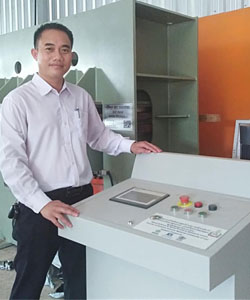
Dr. Oudone Sichaleune
NUoL, FFS
Wood technology

Bounchanh Lattanavongkot
LPTP
Value Chain Mapping, Resources Assessment, Governance

Dr. Benoit Belleville
University of Melbourne
Value-added technologies & products; and leader of objective 3.

Dr. Henri Bailleres
DAF
Wood processing and products, leader of objective 2

Stuart Ling
ANU associate
Plantation owner research

Dr Kaisone Phengsopha
NUoL
Forest policy and market research.

Ken Boer
ANU associate
Plantation resource assessment

Tony Dakin
DAF
Wood treatment and durability, EWP development and market research activities.
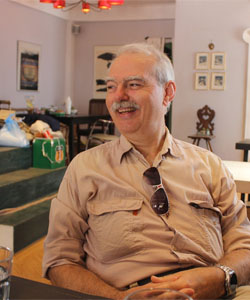
Dr George Anthony
DAF
Economics of value chains, investment and triple-bottom-line sustainability. Economic development and policy.

Dr. Keith Barney
ANU
Land use and forest policy

Stephen Midgley
ANU associate
Value chain analysis
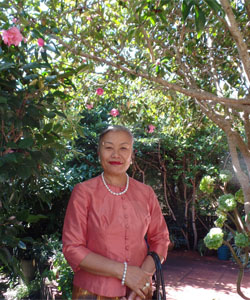
Dao Midgley
ANU associate
Value chain research
Dr. Dolly Kikon
UOM Scientist
Gender related research

Simon Dorries
DAF associate
Monitoring and evaluation

Douangta Bouaphavong
NUoL, FFS
Wood technology

Phouluang Chounlamounty
NUoL, FFS
Wood technology

Vansy Phengthajam
NUoL, FFS
Wood technology

Si Xiong
NUoL, FFS
Wood technology

Lothim Xetern
NUoL, FFS
Wood technology

Ponky Phommachanh
NUoL, FFS
Wood technology
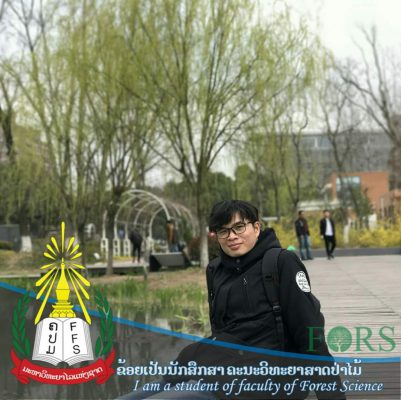
Khonethong SOUKPHAXAY
NUoL, FFS
Researcher Email: khone_soukphaxay@yahoo.com
Assoc.Prof. Manorot Phinith
NUoL, Faculty of Architecture
Architecture and design
Dr. Khamhou Xaphouvong
NUoL, Faculty of Engineering
Structural engineering
Martin Forsen
Burapha Agroforestry
Raw materials, manufacture, market and technical liaison
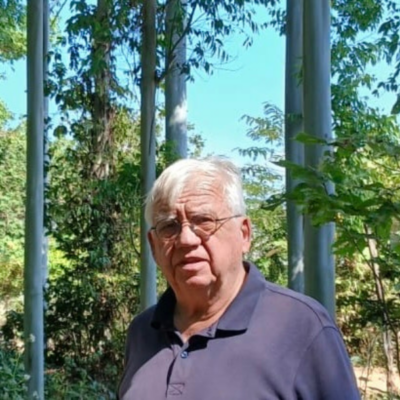
Peter Fogde
Stora Enso
Raw materials, manufacture, market and technical liaison
Thongsavanh Souliyamart
LNWPA and Lao Furniture Company Pty Ltd
Raw materials, manufacture, market and technical liaison, training
Khamphay Somsana
LFIA and Khamphay Sana Company
Raw materials, manufacture, market and technical liaison

Saysamone
Phengmounkhoun Factory
Raw materials, manufacture, market and technical liaison
Sousath Sayakoummane
Department of Forestry (MAF)
Policy and Value Chain Analysis, plantation resource information and inventory
Manohack Rasachack
Ministry of Industry and Commerce
Policy, legality and value chain
Soumana Choulamany
Ministry of Science and Technology
Innovation policy, promotion and communication
Dave Gover
EWPAA
Technical, market and research advice

Soytavanh Meinmany
PhD Student
Farmer Decision Making
PhongXiong Wanneng
NUoL, FFS (Phd Student)
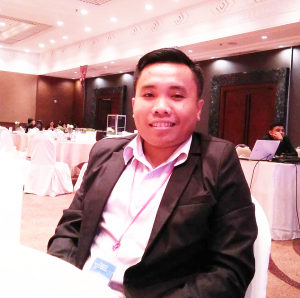
Khamsing Keothoumma
Website Administrator
Email: Khamsing54@yahoo.com
ບົດຄວາມວາລະສານ (12)
Effect of Solar Insolation on a Solar Kiln Performance
Khamtan Phonetip1,*, Graham Ian Brodie2 and Hilary Smith3
Equilibrium Moisture Content Map for Laos
Khamtan Phonetip, Duangphachan Souvansai, Benoit Belleville. BioResources
Financial Returns for Different Actors in a Teak Timber Value Chain in Paklay District, Lao PDR
Tek Narayan Marasenia,*, Somvang Phimmavongb, Rodney J. Keenanc, Vongvilay Vongkhamsaod, Geoff Cockfielda, Hilary Smithe
Teak (Tectona grandis) Silviculture and Research: Applications for Smallholders in Lao PDR
N. A. Pachas, S. Sakanphet, S. Midgley & M. Dieters
Pages 94-105. ຮັບ: 28 ສິງຫາ 2018, ອະນຸມັດ: 16 ເມສາ 2019, ເຜີຍແຜ່ອອນລາຍ: 16 ມິຖຸນາ 2019 (Received 28 Aug 2018, Accepted 16 Apr 2019, Published online 16 Jun 2019)
Teak Plantation Smallholders in Lao PDR: What Influences Compliance with Plantation Regulations
H. F. Smith, S. Ling & K. Boer
The Evolution of Certified Teak Grower Groups in Luang Prabang, Lao PDR: An Action Research Approach
Stuart Ling, Hilary Smith, Lamphoune Xaysavongsa, Richard Laity
Small-scale Forestry. ອະນຸມັດ: 12 ມັງກອນ 2018 (Accepted 12 January 2018). ບໍລິການບົດຄວາມ: Steve Harrison, John Herbohn 2018
Potential of Veneer Peeled from Young Eucalypts in Laos
Benoit Belleville, Adam Redman, Phouluang Chounlamounty, Vansy Phengthajam, Si Xiong, Latsamy Boupha, Barbara Ozarska
Comparing Two Internal Check Measurement Methods for Wood Drying Quality Assessment
Khamtan Phonetip, Barbara Ozarska, Graham Ian Brodie. Drying Technology
Comparing Two Intermittent Drying Schedules for Timber Drying Quality
Khamtan Phonetip, Barbara Ozarska, Benoit Belleville & Graham Ian Brodie
Drying Timber in a Solar Kiln Using an Intermittent Drying Schedule of Conventional Laboratory Kiln
Simulating Solar Kiln Conditions Using a Conventional Kiln
Khamtan Phonetip, Graham Ian Brodie, Barbara Ozarska, Benoit Belleville. BioResources
Applying a GIS-based Fuzzy Method to Identify Suitable Locations for Solar Kilns
Khamtan Phonetip, Barbara Ozarska, Graham Ian Brodie, Benoit Belleville, Latsamy Boupha. BioResources
Info Briefs (12)
- Info Brief 1: Overview of Engineered Wood Products in Laos
- Info Brief 2: ຜະລິດຕະພັນໄມ້ວິສະວະກຳ ສາມາດສ້າງລາຍຮັບໃຫ້ແກ່ ສປປ ລາວ ຫຼືບໍ່ (Economic cost of EWPs in Laos)
- Info Brief 3: ຄວາມເປັນໄປໄດ້ຂອງຜະລິດຕະພັນໄມ້ບາງ (veneer) ຈາກໄມ້ວິກອາຍຸນ້ອຍ ໃນ ສປປ ລາວ (Eucalyptus Veneer Peeling in Laos)
- Info Brief 4: ການນຳໃຊ້ເຄື່ອງຈັກຝານໄມ້ທີ່ບໍ່ມີແກນກາງ ຈະສ້າງໂອກາດແນວໃດແດ່ ໃຫ້ແກ່ ສປປ ລາວ (Wood Technology Study Tour to Vietnam)
- Info Brief 5: ໄມ້ສັກ ຢູ່ແຂວງຫຼວງພະບາງມີຫຼາຍປານໃດ (Inventory of Teak In Luang Prabang)
- Info Brief 6: ຄຸນນະພາບຂອງໄມ້ບາງ ຈາກສວນປູກໄມ້ສັກຂອງຜູ້ປູກຂະໜາດນ້ອຍ (Teak Veneer Peeling In Laos)
- Info Brief 7: ບົດບາດຍິງ-ຊາຍໃນວຽກງານອຸດສາຫະກຳປຸງແຕ່ງໄມ້ສັກຈາກປ່າປູກໃນ ສປປ ລາວ (Gender Roles in Teak Production)
- Info Brief 8: ບາງທັດສະນະຕໍ່ກັບຄວາມຍືນຍົງຂອງອຸດສາຫະກຳຢາງພາລາໃນ ສປປ ລາວ ເປັນແນວໃດ (Rubber Wood August 2020)
- Info Brief 9: ທີ່ດິນສຳລັບສວນປູກໄມ້ຢາງພາລາ ໃນ ສປປ ລາວ (Rubber Land Aug 2020)
- Info Brief 10: ແຮງງານໃນຂະແໜງການຢາງພາລາ ໃນ ສປປ ລາວ (Labour in the Rubber Sector in Laos)
- Info Brief 11: ຜະລິດຕະພັນຢາງພາລາທຳມະຊາດ ໃນ ສປປ ລາວ (Rubber Latex Final Aug 2020)
- Info Brief 12: ເຈົ້າຂອງປ່າປູກໄມ້ຢາງພາລາຂະໜາດນ້ອຍໃນ ສປປ ລາວ ຈະສາມາດສ້າງຜະລິດຕະພັນໄມ້ບາງທີ່ມີຄຸນນະພາບສູງໄດ້ບໍ່ (Rubber Veneer Production Potential in Laos)
ບົດລາຍງານ ແລະ ເອກະສານອື່ນໆ (28)
- Rubberwood Research Note (Final)
- Study Tour in Northern Laos: Report
- Sun Paper Wood Supply (PPT format, Lao language version)
- Sun Paper Wood Supply (Lao language version)
- Sun Paper Wood Supply (PPT format)
- Policy Brief: Impact of COVID-19 on Labour in the Lao Wood Processing Sector (May 2022)
- Gender and employment in the Burapha plywood factory, Hin Heup District, Vientiane Province, Lao PDR
- Development of EWPs: Rattan and Bamboo Mats as Cover for Non-structural Constructions
- A Preliminary Evaluation of the Effect of Pressing Temperature and Pressure on Wood Densification of Rubberwood
- The Contribution to Lao Wood Processing Sectors of the Wood Science and Wood Products Research Center (WS-WPRC), a training facility supported by ACIAR-VALTIP3
- Rethinking the role of traders, micro, small and medium enterprises in efficient plantation-wood markets. Insights from Laos
- Lao Plantation Policy: Prospects for Change
- Flattening bamboo using a hot pressure machine
- Designing and Building a Solar Kiln Suitable for Vientiane’s Geography and Climate (Final)
- Livelihood impacts for women due to employment in a teak wood processing factory, Paklay District, Xayaboury Province, Lao PDR
- Rubber Plantation Value Chains in Laos
- Teak Value Chains in Laos
- Exploring Gender and Forestry in Laos
- Burapha Testing: ACIAR Laos Report (Final)
- Effect of Distributed Production Operations on Profitability of EWPs
- Lao Project FST/2016/151 Annual Report No. 2: Executive Summary
- NUoL Research Facility Upgrade: Interim Report
- A Report of Workshop Activities, Outcomes and Project Recommendations for the ACIAR Project, Lao PDR
- Advancing Enhanced Wood Manufacturing Industries in Laos and Australia: Luang Prabang Province Teak Inventory. Author: Ken Boer, 14 May 2019
- Study Tour: Vietnam
- FST/2016/151 Project Information Sheet
- Laos Project FST/2016/151 Annual Report No. 1: Executive Summary
- Media Release: Annual Workshop at the National University of Laos for the Project “Advancing Enhanced Wood Manufacturing Industries in Laos and Australia”
- List of Training Events